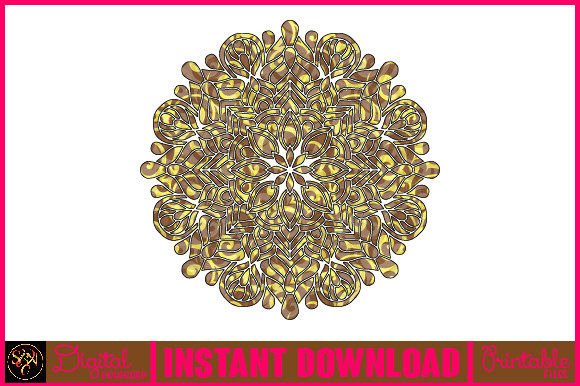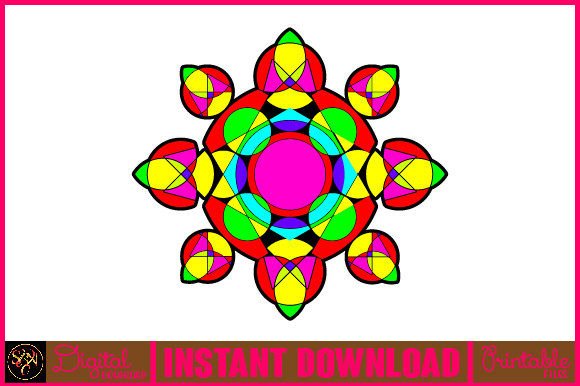
Mandala 3D Layered SVG Cut File-6: Integrating Complex Vector Art into Production Workflows
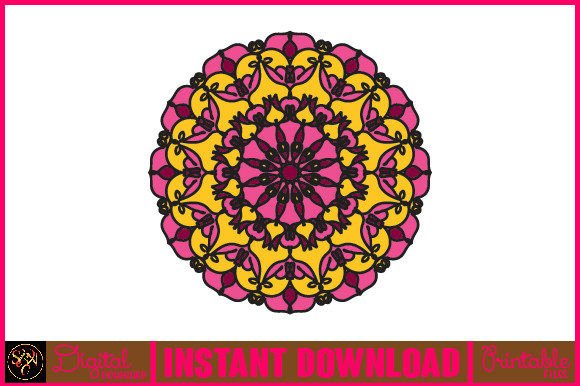
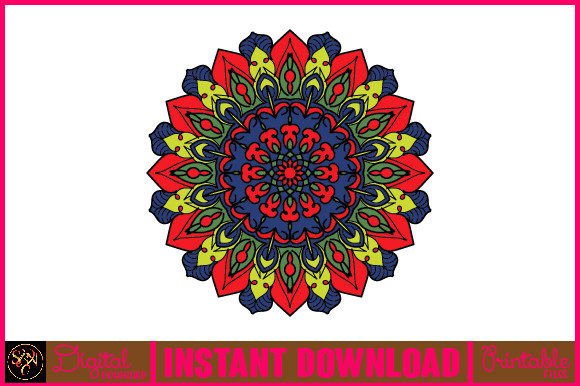
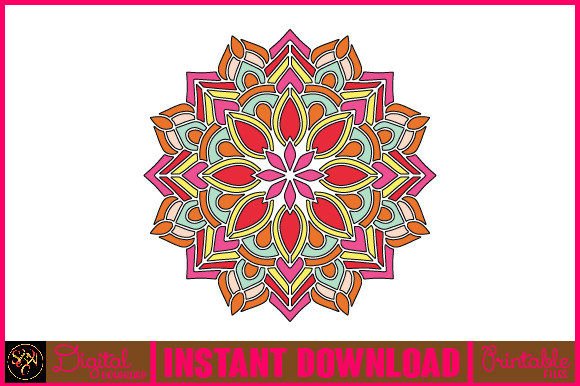
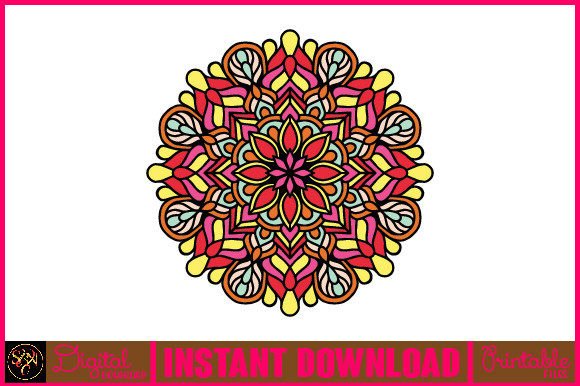
In the landscape of digital asset creation and print-on-demand businesses, the distinction between a simple graphic and a production-ready vector file is often the difference between a mediocre product and a premium offering. Mandala 3D Layered SVG Cut File-6 represents a specific category of high-fidelity digital assets designed for immediate integration into manufacturing and design pipelines. Unlike standard raster images or flat vector designs, this asset combines intricate tribal ornamentation with a layered structure that mimics depth, providing creators with a versatile tool for both physical fabrication and digital branding.
For professionals ranging from small business owners to freelance graphic designers, the value of such an asset lies not just in its aesthetic appeal, but in its technical compatibility and workflow efficiency. This article examines how Mandala 3D Layered SVG Cut File-6 fits into broader creative processes, from initial concept planning to final quality control, ensuring that users can leverage this resource effectively across various mediums including apparel, home decor, and digital marketing materials.
Understanding the Technical Architecture of Layered Vectors
The core utility of Mandala 3D Layered SVG Cut File-6 stems from its file composition. It is provided as a comprehensive package containing EPS, SVG, JPG, and PNG formats within a single ZIP archive. This multi-format approach addresses different stages of the production lifecycle. The SVG (Scalable Vector Graphics) and EPS (Encapsulated PostScript) files are critical for precision work, allowing for infinite scalability without loss of resolution. This is essential when preparing designs for large-format printing on banners or cutting machines like Cricut and Silhouette, where path accuracy determines the success of the cut.
The "3D Layered" aspect refers to the internal organization of the vector paths. In professional design software such as Adobe Illustrator or Affinity Designer, these layers allow the user to isolate specific components of the mandala. This modularity is crucial for customization. A designer might wish to recolor a specific tribal segment while leaving the background intact, or remove certain ornamental elements to create a simplified version for smaller print areas, such as a mug handle or a phone case corner. Without this layering, any modification would require tedious manual tracing or result in compromised image quality.
Integration into Physical Product Manufacturing
One of the primary use cases for Mandala 3D Layered SVG Cut File-6 is in the realm of tangible goods. The design’s vibrant, hand-drawn aesthetic makes it particularly suitable for products that benefit from artistic flair, such as t-shirts, hoodies, canvas bags, and posters. However, successful implementation requires attention to preparation and material compatibility.
- Apparel Printing: When transferring this design to fabric via Direct-to-Garment (DTG) printing or screen printing, the SVG file ensures crisp edges. For DTG, the full-color capability of the original design shines, whereas screen printing may require the designer to separate colors manually using the available layers. The layered nature of the file simplifies this separation process, reducing setup time and cost.
- Cutting and Engraving: For hobbyists and small-scale entrepreneurs using vinyl cutters, the SVG format is indispensable. The precise vector paths allow for clean cuts on vinyl, which can then be applied to laptops, water bottles, or notebooks as stickers. The "tribal ornament" style lends itself well to etching on wood or acrylic, where the contrast between the cut lines and the material surface creates a striking visual effect.
- Home Decor and Stationery: The design’s scalability allows it to be adapted for various sizes. On a poster, the intricate details remain visible; on a notebook cover, the bold patterns stand out. The inclusion of a high-resolution JPG and PNG file in the download package facilitates quick previews and mockups before committing to expensive print runs, serving as a vital step in quality assurance.
Digital Applications and Brand Consistency
Beyond physical products, Mandala 3D Layered SVG Cut File-6 serves as a powerful tool for digital identity and marketing. In an era where visual consistency across platforms is paramount for brand recognition, having a high-quality, scalable asset reduces the friction in content creation.
Social media managers and bloggers can utilize the JPG and PNG files for rapid deployment on platforms like Instagram, Pinterest, and Facebook. The colorful, ornamental nature of the mandala captures attention in crowded feeds, making it ideal for social media banners, promotional posts, and email newsletter headers. Because the source vector files are included, a designer can adjust the color palette to match seasonal trends or specific campaign themes without purchasing new assets. This flexibility supports agile marketing strategies, allowing brands to pivot their visual language quickly while maintaining a cohesive aesthetic rooted in the same core imagery.
Furthermore, educators and content creators can integrate these visuals into presentations, worksheets, or online courses. The intricate detail invites closer inspection, making it suitable for educational materials that aim to engage students visually. The ability to extract specific layers allows for the creation of interactive elements, such as coloring pages or puzzle components, extending the utility of the asset beyond mere decoration.
Workflow Optimization and Asset Management
Efficiency in creative workflows depends heavily on how well digital assets are organized and accessed. The provision of Mandala 3D Layered SVG Cut File-6 as a zipped folder containing all necessary formats exemplifies best practices in asset delivery. This structure minimizes downtime associated with file conversion or searching for compatible versions. Professionals can drag and drop the SVG directly into their design software, bypassing intermediate steps that often introduce errors or degrade quality.
To maximize the return on investment for this asset, creators should establish a standardized naming convention and folder structure. For instance, separating "Source Files," "Print-Ready PDFs," and "Web-Optimized Images" ensures that team members or future self can locate the correct version for the task at hand. This organizational discipline is particularly important when managing multiple projects or collaborating with other designers who may need access to the raw vector data.
Additionally, considering the long-term use of the asset, keeping the original ZIP file intact preserves the integrity of the layers. While flattened images are convenient for quick sharing, they sacrifice the editability that makes layered vectors valuable. By retaining the source files, creators ensure that the mandala remains adaptable to future technologies or changing client requirements, such as moving from traditional print to augmented reality experiences where 3D layering could enhance interactivity.
Conclusion on Practical Implementation
Mandala 3D Layered SVG Cut File-6 is more than a decorative graphic; it is a functional component of a modern creative workflow. Its value is realized through proper understanding of its technical attributes—specifically its layered vector structure and multi-format availability. By integrating this asset thoughtfully into production pipelines for apparel, home goods, and digital media, creators can enhance the quality and versatility of their output. Whether used for immediate commercial application or as part of a broader brand strategy, the mandala offers a robust foundation for executing complex designs with precision and efficiency. For those looking to streamline their design process and elevate their visual content, this asset provides a reliable, high-quality solution that bridges the gap between artistic vision and practical execution.