Mandala 3D Layered SVG Cut File-39 Evaluation
In the realm of digital design and crafting, the availability of high-quality vector assets has transformed how creators approach projects ranging from apparel manufacturing to social media marketing. Among these resources, the Mandala 3D Layered SVG Cut File-39 stands out as a versatile option for designers seeking intricate, hand-drawn aesthetics with a modern twist. This asset combines traditional mandala symmetry with tribal ornamentation, offering a visually striking element that can be adapted across various mediums. For individuals researching digital cut files, understanding the specific capabilities, file structures, and practical applications of this design is essential for making an informed purchasing decision.
Understanding the Design Composition
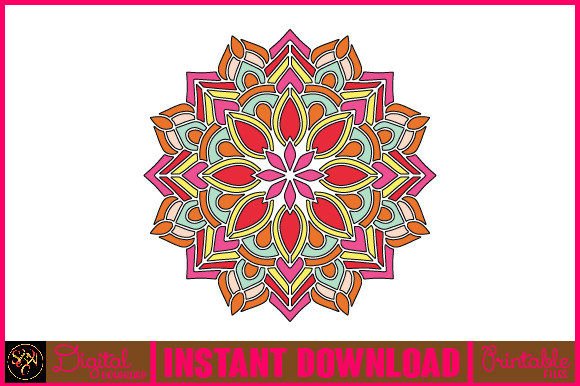
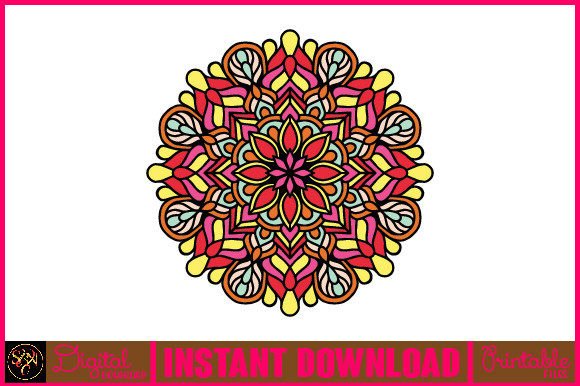
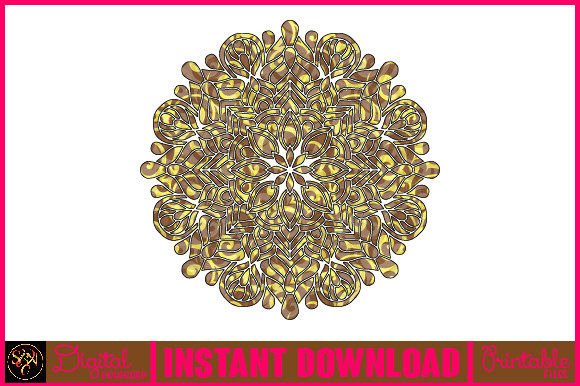
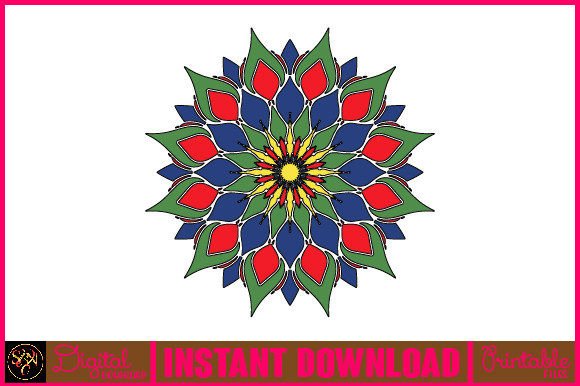
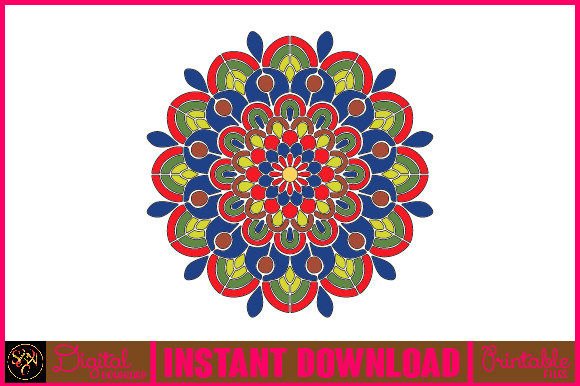
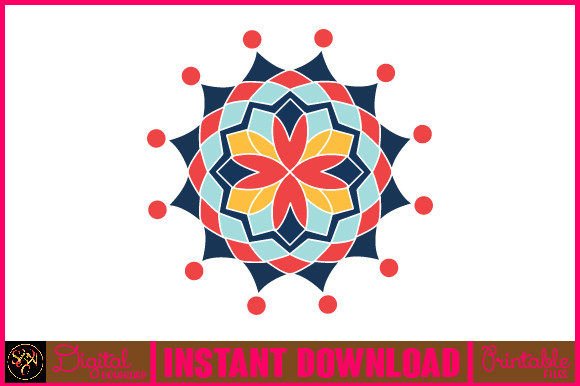
The core appeal of Mandala 3D Layered SVG Cut File-39 lies in its artistic composition. It features a hand-drawn colorful mandala integrated with tribal ornaments, creating a design that feels both organic and structured. The "3D" aspect referenced in the title typically implies depth through layering techniques inherent in the vector paths, allowing for visual complexity without relying on rasterized shadows or gradients that might lose quality upon scaling. This makes it particularly suitable for designs where clarity at different sizes is paramount.
Unlike simple geometric patterns, this design incorporates ornamental details that require precise cutting or printing. The inclusion of color in the preview images suggests that the final output can be vibrant, provided the user understands how to handle color separation if using vinyl cutters or how to utilize full-color printing methods. The hand-drawn nature adds a unique, artisanal touch that distinguishes it from mass-produced clipart, appealing to brands and creators looking for authenticity in their visual identity.
Technical Specifications and File Deliverables
A critical factor in evaluating any digital cut file is the format in which it is delivered. Mandala 3D Layered SVG Cut File-39 comes packaged in a ZIP file containing four distinct formats, each serving a specific purpose in the design workflow:
- EPS File: Encapsulated PostScript (EPS) is a standard format for professional graphic design software like Adobe Illustrator. It ensures that the vector paths remain editable and scalable, allowing designers to modify colors, stroke widths, and node positions without loss of fidelity.
- SVG File: Scalable Vector Graphics are ideal for web use and compatibility with many modern cutting machines such as Cricut and Silhouette. The SVG format preserves the layered structure, enabling users to separate elements for multi-material projects or complex cuts.
- JPG File: A JPEG version provides a quick visual reference. While not editable as a vector, it is useful for checking how the design looks when flattened, helping users anticipate the final printed appearance before committing to production.
- PNG File: The Portable Network Graphics file includes transparency, making it ready for immediate overlay onto other designs or backgrounds. This is particularly useful for mockups, social media graphics, or adding the mandala as a watermark.
This comprehensive package reduces the need for additional conversion tools, streamlining the process from purchase to production. The instant download feature further enhances convenience, allowing creators to begin their projects immediately without waiting for shipping or manual delivery.
Practical Applications and Use Cases
The versatility of Mandala 3D Layered SVG Cut File-39 allows it to fit into a wide array of commercial and personal projects. Its robust vector structure supports large-format printing as well as small-scale embellishments. Below are key areas where this design excels:
Apparel and Textile Printing
One of the most common uses for mandala designs is on clothing. The intricate details of the tribal ornament work well on t-shirts, hoodies, and dresses. When used with Direct-to-Garment (DTG) printing, the full color palette can be reproduced accurately. For screen printing, the layered nature of the SVG allows printers to separate colors efficiently, reducing ink costs while maintaining detail. Additionally, heat transfer vinyl (HTV) enthusiasts can use the SVG file to create layered vinyl designs, leveraging the "3D" effect by stacking different colored vinyls according to the vector layers.
Home Decor and Stationery
Beyond apparel, the design is highly effective for home decor items. Canvas bags serve as excellent canvases for large mandala prints, offering a bohemian aesthetic that appeals to a broad demographic. Similarly, the design can be scaled down for stationary items such as notebooks, planners, and posters. The bold lines and colorful elements ensure visibility and impact even on smaller surfaces.
Digital Marketing and Social Media
In the digital space, visual appeal drives engagement. The PNG version of the mandala can be used as a background element for social media banners, flyers, or email headers. Its ornamental style adds a touch of elegance and complexity to digital layouts, helping brands stand out in crowded feeds. Because the source files are vectors, the image remains crisp regardless of the resolution required for high-definition displays.
Personalization and Stickers
For hobbyists and small business owners, sticker production is a lucrative niche. The clean vector lines of the SVG file make it easy to cut using die-cutting machines, resulting in high-quality stickers for laptops, phones, and water bottles. The colorful design attracts attention, making it a popular choice for decorative accessories.
Evaluating Benefits and Tradeoffs
When considering Mandala 3D Layered SVG Cut File-39, it is important to weigh its advantages against potential limitations. The primary benefit is its multi-format delivery, which caters to both technical designers and casual crafters. The layered SVG structure offers significant flexibility, allowing for creative customization that single-layer files do not permit. Furthermore, the hand-drawn aesthetic provides a level of uniqueness that generic templates lack, adding value to finished products.
However, there are tradeoffs to consider. The complexity of the design may pose challenges for beginners using basic cutting software. Users must have a good understanding of how to manage layers and select appropriate cutting settings to avoid tearing delicate parts of the design. Additionally, while the preview shows color, the actual print outcome depends heavily on the user's equipment. Vinyl cutters typically produce monochrome or limited-color results unless multiple layers are meticulously aligned, whereas DTG printers offer full-color reproduction but at a higher cost per unit.
Decision-Making Insights
Prospective buyers should assess their intended use case before purchasing. If the goal is to create detailed, multi-colored apparel or high-resolution digital assets, this file is a strong fit due to its vector integrity and layered structure. It is particularly well-suited for businesses producing custom merchandise or designers working on branding materials that require a distinctive, ornamental look.
Conversely, if a user requires a simple, solid-color icon for basic signage or lacks the software proficiency to manipulate layered vectors, they might find the file more complex than necessary. In such cases, simpler, single-path mandala designs might be more appropriate. Similarly, those focused exclusively on low-cost, single-color vinyl decals might prefer files optimized specifically for minimal ink usage rather than complex, multi-layered compositions.
Ultimately, Mandala 3D Layered SVG Cut File-39 offers a robust solution for creators seeking to incorporate intricate, tribal-inspired mandala art into their projects. By providing essential file formats and a visually compelling design, it supports a wide range of applications from physical goods to digital media. Evaluating one’s technical skills and production capabilities will help determine if this specific asset aligns with individual goals and workflows.