Evaluating Mandala 3D Layered SVG Cut File 21 for Professional and Personal Design Projects
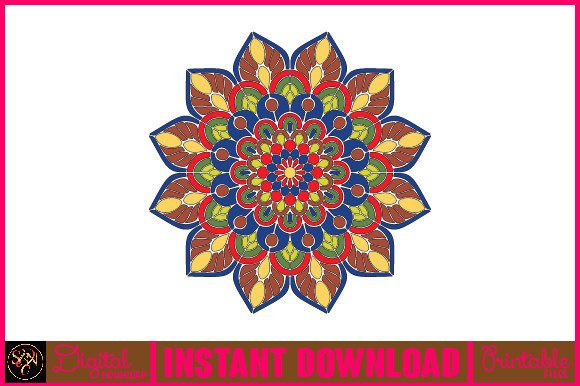
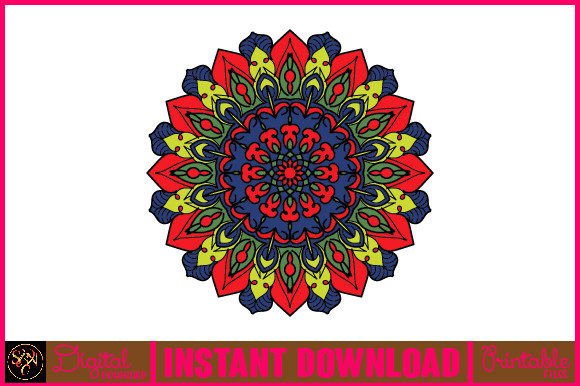
In the realm of digital design and print-on-demand, finding a graphic asset that balances aesthetic complexity with technical versatility is often the primary challenge for creators. Mandala 3D Layered SVG Cut File 21 represents a specific solution to this problem, offering a hand-drawn, colorful mandala design with tribal ornamentation. Unlike flat vector graphics, this file utilizes layering techniques to create depth, making it suitable for a wide array of applications ranging from apparel to digital marketing materials. This analysis explores the capabilities, formats, and strategic use cases of this specific design file to help designers determine if it aligns with their project requirements.
Understanding the Technical Composition
The core value of Mandala 3D Layered SVG Cut File 21 lies in its structural integrity and format variety. The design is not merely a static image but a multi-layered vector construction. This layering allows for the "3D" effect mentioned in the title, where individual elements can be manipulated independently in design software to adjust shadows, highlights, or spacing. This is particularly useful for creating tactile effects in physical prints or dynamic visuals in digital banners.
The product is delivered as an instant download ZIP package containing four distinct file types:
- 1 EPS file: Essential for professional printing workflows. Encapsulated PostScript files are resolution-independent and widely supported by high-end printers and industrial cutting machines.
- 1 SVG file: Scalable Vector Graphics are ideal for web-based design tools like Canva, Adobe Illustrator, and Cricut Design Space. They allow for easy color swapping and resizing without pixelation.
- 1 JPG file: A rasterized preview or final output, useful for quick visual confirmation or direct upload to platforms that do not accept vector files.
- 1 PNG file: Typically provided with a transparent background, this format is crucial for overlaying the mandala onto different colored backgrounds without a white box surrounding the design.
This comprehensive packaging ensures that the user is not limited by software constraints. Whether working in a professional studio environment or using consumer-grade crafting tools, the necessary assets are available.
Aesthetic Analysis: Hand-Drawn vs. Geometric Precision
One of the distinguishing features of Mandala 3D Layered SVG Cut File 21 is its artistic style. It combines the symmetry inherent in traditional mandalas with the organic irregularity of hand-drawn illustrations. Many mandala designs found online are strictly geometric, generated by mathematical algorithms. While precise, these can sometimes feel sterile or repetitive.
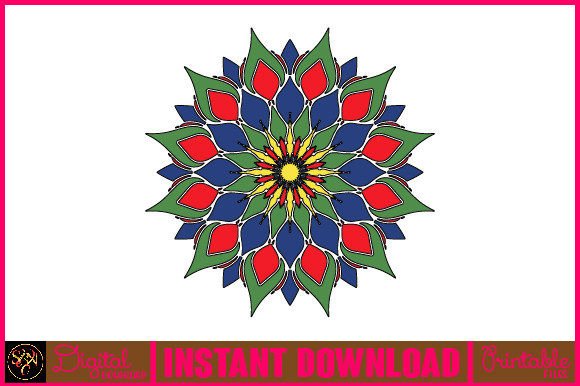
In contrast, the hand-drawn aspect of this design introduces subtle variations in line weight and curve, giving the piece a human touch. The addition of tribal ornaments further enriches the visual narrative, adding cultural resonance and intricate detail. For designers targeting audiences who appreciate artisanal or bohemian aesthetics, this distinction is significant. The "colorful" attribute suggests that the design is intended to be vibrant, which can enhance brand visibility on merchandise such as t-shirts and tote bags.
Comparative Evaluation: Use Cases and Alternatives
When evaluating Mandala 3D Layered SVG Cut File 21, it is helpful to compare it against other common design approaches in the market. The decision to purchase this file often depends on the intended end-use.
Apparel and Textile Printing
For those producing t-shirts, hoodies, and canvas bags, the layered nature of this SVG is a major advantage. In textile printing, especially with methods like Direct-to-Garment (DTG) or screen printing, having separated layers allows for creative placement. A designer might choose to isolate the central tribal motif for a chest print while using the outer mandala rings for a back design. Compared to single-layer clip art, this file offers greater flexibility in layout composition. However, users must ensure their printing equipment can handle the complexity of the lines; extremely fine details may require high-resolution settings to prevent blurring on fabric textures.
Digital Media and Social Marketing
The utility of this file extends beyond physical goods. The prompt mentions usage for social media banners and flyers. In digital contexts, the 3D layering can be simulated through drop shadows or gradient overlays in software like Photoshop or Affinity Designer. This creates a focal point that draws the viewer’s eye more effectively than a flat image. Compared to generic stock photography, a custom vector mandala provides a unique branding element that stands out in crowded social feeds. The inclusion of the PNG file facilitates immediate use in email newsletters or blog headers where transparency is required to blend with existing page layouts.
Crafting and Vinyl Cutting
For hobbyists and small business owners using cutting machines (e.g., Cricut, Silhouette), the SVG format is critical. The "cut file" designation implies that the paths are optimized for blade precision. When comparing this to cheaper, unoptimized SVGs, the quality of the cut is paramount. Complex tribal patterns can lead to weeding issues (removing excess vinyl) if the lines are too close together. The layered structure of Mandala 3D Layered SVG Cut File 21 potentially mitigates this by allowing the crafter to cut different sections separately and assemble them, reducing material waste and improving the final finish.
Tradeoffs and Limitations
No single design asset fits every scenario. It is important to consider the limitations of Mandala 3D Layered SVG Cut File 21. First, the "3D" effect is largely dependent on how the user manipulates the layers in their design software. Out of the box, the SVG is a vector representation; the depth is achieved through post-processing. Users unfamiliar with vector editing may find the learning curve steeper than using a pre-rendered JPEG.
Secondly, the specific color palette of the hand-drawn design may need adjustment to match certain brand guidelines. While the file includes color information, converting vibrant tribal hues to a monochromatic scheme for corporate stationary or minimalist posters requires additional work. In such cases, a simpler, black-and-white mandala might have been a more efficient starting point.
Furthermore, while the file is versatile, it is not infinite. If a project requires a mandala that rotates infinitely or changes shape dynamically (as seen in some advanced CSS animations), a static vector file like this one would need to be combined with code or animation software. It serves as a static asset rather than an interactive component.
Decision Factors: Is This the Right Choice?
Determining whether Mandala 3D Layered SVG Cut File 21 is the appropriate resource depends on several key factors:
- Project Complexity: If the goal is to create detailed, multi-element designs that benefit from separation of parts, this file is highly suitable. For simple logo placements, a basic icon might suffice.
- Technical Proficiency: Users comfortable with manipulating layers in vector software will extract the most value. Beginners might prefer pre-assembled, single-layer images.
- Output Medium: For high-quality physical prints (posters, large format banners), the EPS and SVG formats ensure crisp edges. For low-resolution web thumbnails, the JPG/PNG versions are sufficient.
- Aesthetic Preference: The hand-drawn, tribal style appeals to specific demographics. If the target audience prefers modern, minimalist, or corporate styles, this ornamental design may clash with the desired brand voice.
Additionally, the instant download nature of the product supports agile project management. There is no waiting period for delivery, allowing designers to iterate quickly. The inclusion of customer support ("feel free to contact me") adds a layer of assurance, suggesting that technical issues regarding file compatibility can be resolved promptly.
Practical Implementation Examples
To illustrate the potential of this asset, consider a few realistic scenarios:
Scenario A: Boutique Clothing Brand
A small fashion label wants to release a summer collection featuring spiritual and artistic themes. They utilize the SVG file to place the central mandala on the front of oversized t-shirts and the full layered design on the back of hoodies. The ability to separate layers allows them to add text between the mandala rings, creating a cohesive look across different garments.
Scenario B: Event Flyer Design
An organizer for a music festival needs a visually striking flyer. They use the PNG version of the mandala as a watermark behind the event details. The colorful tribal elements add energy and movement to the layout without overpowering the essential information. The transparency of the PNG ensures the background color of the flyer shines through, integrating the design seamlessly.
Scenario C: Personal Stationery
A freelancer designs their own business cards and letterhead. They print the mandala on heavy cardstock paper. The high resolution of the source files ensures that the fine details of the hand-drawn lines remain sharp even when printed at small sizes, projecting professionalism and attention to detail.
Conclusion
Mandala 3D Layered SVG Cut File 21 offers a robust toolkit for designers seeking to incorporate intricate, hand-drawn mandala elements into their work. Its strength lies in its versatility—bridging the gap between physical crafting and digital design through multiple file formats. While it requires a moderate level of skill to fully exploit its layered potential, the payoff is a rich, customizable asset that can elevate everything from social media content to premium apparel. By understanding its strengths in aesthetic depth and technical flexibility, users can make an informed decision about its integration into their creative workflow.