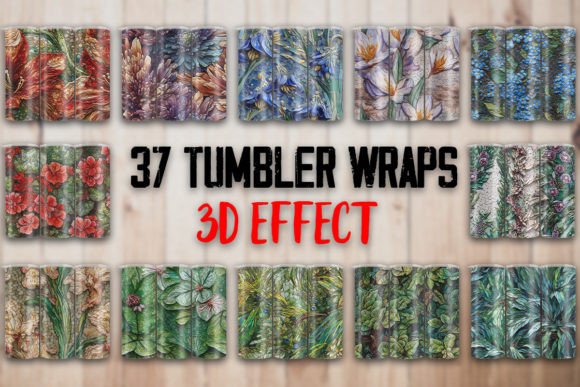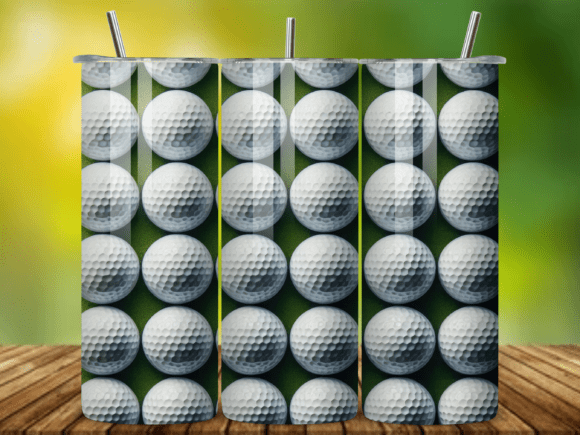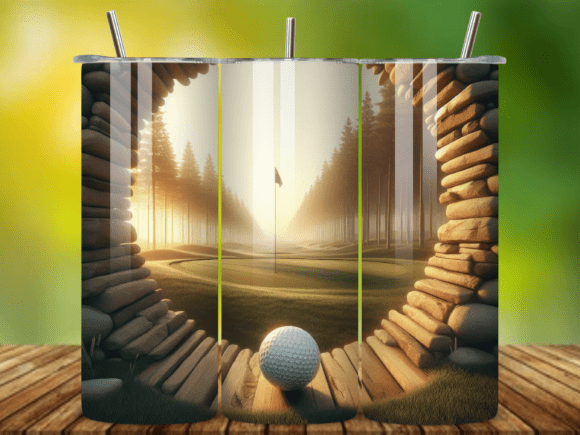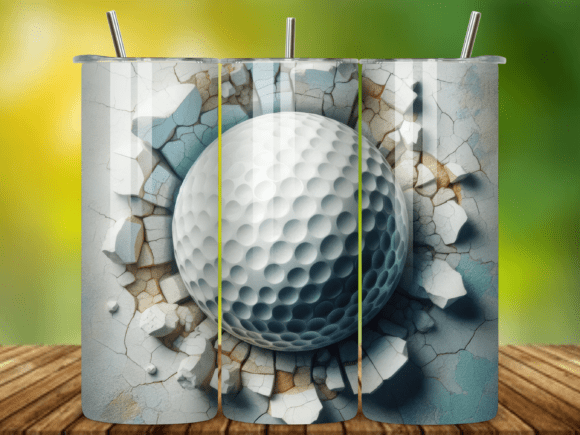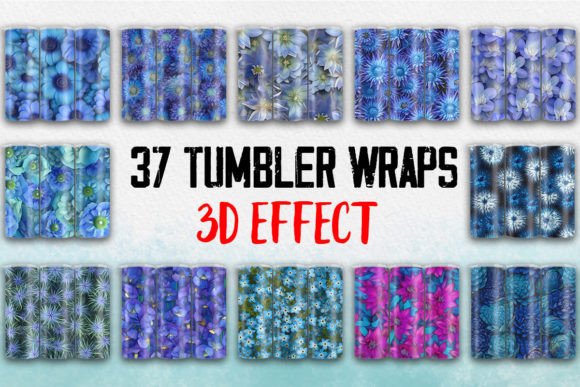
3D Blue Tumbler Wrap Design
In the landscape of modern product customization, visual fidelity is often the deciding factor between a standard item and a premium offering. The 3D Blue Tumbler Wrap Design represents more than just a static image; it is a functional asset designed to bridge the gap between digital creativity and physical manufacturing. For entrepreneurs, hobbyists, and professional designers alike, understanding how to integrate this specific design element into a broader workflow is essential for maintaining quality control and operational efficiency.
This resource is not merely a decorative file but a technical component in the production pipeline. It provides a high-resolution, transparent background template that allows for precise placement on cylindrical surfaces. By leveraging the properties of PNG format at 300 DPI, users can ensure that their branding or artistic vision translates accurately from screen to tumbler, regardless of the scale required for the final print.
Technical Specifications and Workflow Integration
The foundation of any successful print-on-demand or custom merchandise business lies in the integrity of its source files. The 3D Blue Tumbler Wrap Design comes packaged as a single ZIP file containing PNG assets. This format choice is deliberate and critical for several reasons related to usability and compatibility across various design software platforms.
First, the transparency of the background is a significant advantage during the layout phase. When designing a wrap for a tumbler, the designer must account for the curvature of the vessel. A transparent background allows the underlying color of the tumbler itself—whether it is stainless steel, ceramic, or plastic—to show through where necessary, or to serve as a clean canvas for overlaying graphics without unwanted white boxes interfering with the composition. This feature simplifies the layering process in applications like Adobe Illustrator, CorelDRAW, or even user-friendly tools like Canva.
Furthermore, the resolution of 300 DPI ensures that the design meets industry standards for sublimation printing and vinyl cutting. Sublimation, a common method for decorating tumblers, requires high-density ink transfer to achieve vibrant colors. If a design is scaled up from a low-resolution source, the result will be pixelated and unprofessional. Starting with a 300 DPI asset means that whether you are creating a small coaster-sized sticker or a full-body wrap for a 30-ounce travel mug, the crispness of the lines and the depth of the blue hues remain intact. This consistency reduces the need for extensive post-production editing, thereby saving time in your production cycle.
Application Across Diverse Projects
While the primary intent of this design is for tumbler wraps, its versatility extends into multiple creative domains. Understanding these varied use cases helps in planning inventory and marketing strategies. The design’s adaptability makes it a valuable asset for:
- Coloring Books: The intricate details often found in 3D designs can be adapted into line art for adult coloring books, appealing to a demographic looking for relaxation and creative engagement.
- Laser Engraving: High-contrast elements within the blue spectrum can be converted for laser engraving on metal or wood surfaces, offering a textured alternative to printed designs.
- Scrapbooking and Stickers: The isolated nature of the design allows it to be easily cut out for use in personal journals or as die-cut stickers, providing a tangible connection to the digital original.
- T-Shirt and Merchandise Prints: For apparel businesses, the design can serve as a central graphic, demonstrating how a cohesive brand aesthetic can move from drinkware to clothing seamlessly.
- Card Prints and Logos: Small-scale applications, such as greeting cards or logo placements, benefit from the clean vector-like quality of the PNG, ensuring legibility at reduced sizes.
By recognizing these secondary applications, creators can maximize the return on investment for a single asset. Instead of treating the design as a one-off product, it becomes part of a modular system where core visual elements are repurposed across different product lines. This approach supports a leaner operational model, reducing the overhead associated with constant new design development while maintaining a fresh catalog.
Implementation Considerations and Quality Control
Integrating the 3D Blue Tumbler Wrap Design into your workflow requires attention to detail, particularly regarding color management and printer compatibility. One of the most common pitfalls in digital-to-physical translation is color variance. Screens emit light, while printers reflect it. Consequently, the shade of blue displayed on your monitor may differ slightly from the output of your thermal printer or sublimation machine.
To mitigate this, always work in CMYK color mode if your printing service requires it, although PNGs are typically RGB. Before committing to a large batch production, perform a test print. This step is crucial for verifying that the transparency holds up during the cutting or printing process and that the blue tones align with your brand guidelines. Keep a record of your printer settings and paper types, as these variables significantly influence the final outcome. Consistency in your testing protocol will help you establish reliable benchmarks for future projects.
Additionally, consider the structural aspects of the tumbler itself. Different brands of tumblers have varying seam locations and curve radii. When applying the wrap design, ensure that key visual elements are not placed directly over seams or areas that might stretch or distort during application. Using a digital mockup tool can help visualize how the flat PNG map conforms to the 3D shape of the cup, allowing for adjustments before any physical material is wasted.
Long-Term Value and Scalability
For freelancers and small business owners, the ability to scale operations efficiently is paramount. Utilizing pre-designed, high-quality assets like the 3D Blue Tumbler Wrap Design allows for rapid prototyping and faster time-to-market. Rather than spending hours creating a base template from scratch, you can focus your energy on customization, branding, and customer acquisition. This shift in focus enhances productivity by separating the technical preparation from the creative direction.
Moreover, the organized delivery of the design in a ZIP file promotes better file management. Keeping your asset library structured with clear naming conventions and standardized formats reduces administrative friction. When you receive a project requiring a quick turnaround, having access to ready-to-use, 300 DPI transparent PNGs means you can deploy resources immediately. This readiness is particularly valuable during peak seasons or when fulfilling rush orders for clients who expect immediate results.
As you continue to build your portfolio, these designs become part of a reusable toolkit. They demonstrate professionalism to clients who value precision and quality. Whether you are producing limited-edition runs for holiday promotions or establishing a permanent line of branded merchandise, the reliability of the source material underpins the trust your customers place in your products. By adhering to best practices in file handling, color calibration, and application technique, you ensure that every item bearing the 3D Blue Tumbler Wrap Design reflects the highest standards of craftsmanship.
In summary, this design asset is a practical tool for enhancing both the aesthetic appeal and operational efficiency of your creative workflows. Its technical specifications support a wide range of applications, from direct-to-garment printing to intricate laser engraving. By integrating it thoughtfully into your planning and execution phases, you can achieve consistent, high-quality results that resonate with your audience and drive business growth.