3D Abstract Dispersion Glass- PNG
In the visual landscape of digital media, clarity and texture are often what separate a professional design from an amateur attempt. 3D Abstract Dispersion Glass- PNG offers a specific solution for creators who need to introduce depth, realism, and modern aesthetics into their projects without spending hours rendering complex 3D scenes from scratch. This resource is not just a collection of images; it is a toolkit designed to elevate visual storytelling across various platforms.
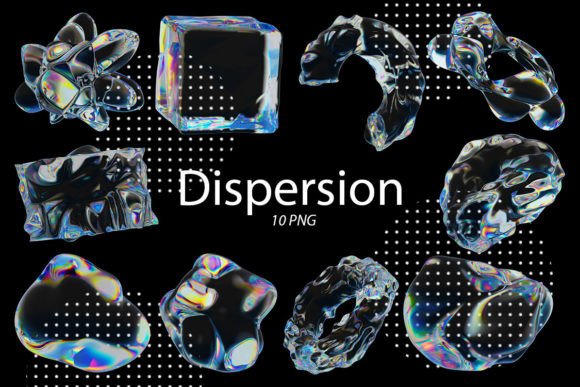
The core of this asset pack lies in its technical precision: ten high-resolution glass objects, rendered at 300 dpi with transparent backgrounds. For designers, marketers, and hobbyists alike, these elements serve as versatile building blocks. Whether you are crafting a sleek brand identity or simply trying to make a social media post stand out in a crowded feed, the ability to layer realistic glass textures can dramatically alter the perception of your work.
What Exactly Is Included?
When evaluating any digital asset, understanding the deliverables is crucial. This kit provides ten distinct glass objects. Each file is a PNG, which stands for Portable Network Graphics, chosen specifically for its support of transparency. This means you can place these glass pieces over any background—be it a solid color, a photograph, or another graphic element—and they will integrate seamlessly without unsightly white boxes or borders.
The resolution is set at 300 dpi (dots per inch). In the world of print design, this is the gold standard. It ensures that whether you are printing a high-quality poster, a business card, or packaging material, the edges of the glass objects remain crisp and sharp. For digital use, such as Instagram posts or website banners, this high resolution allows for flexibility; you can scale the images down without losing quality, ensuring they look good on both mobile screens and desktop monitors.
It is important to note what is not included. Fonts and mockups are excluded from this purchase. While this might seem like a limitation, it actually offers greater freedom. You are not locked into a specific typographic style or presentation frame. Instead, you have the raw materials to build exactly what you envision, using your preferred fonts and layout tools.
Why Different Audiences Care
The value of 3D Abstract Dispersion Glass- PNG shifts depending on who is holding the tool. A graphic designer sees utility and efficiency, while a small business owner sees branding potential. Understanding these perspectives helps determine if this asset aligns with your current needs.
For Social Media Managers and Content Creators
If you are managing Instagram posts, stories, or other social channels, visual appeal is paramount. The algorithm favors content that stops the scroll. Glass effects add a layer of sophistication and modernity that plain graphics often lack. Imagine a product launch announcement where the product image is overlaid with a subtle dispersion glass effect, creating a sense of fragility, premium quality, or innovation. These assets allow you to produce eye-catching visuals quickly, reducing the time spent searching for stock photography that fits your specific aesthetic.
For Branding Professionals and Entrepreneurs
Branding is about consistency and recognition. When developing a logo or brand collateral, texture plays a subtle but powerful role. Using 3D glass elements can convey traits like clarity, transparency, and cutting-edge technology. For entrepreneurs launching a new app, tech service, or luxury product, these PNGs can be integrated into mood boards, pitch decks, and initial marketing materials. They help communicate a high-end feel even before the final product is fully realized.
For Print Designers and Publishers
The 300 dpi specification is critical here. If you are designing invitations, cards, posters, or textile patterns, low-resolution images result in pixelation and blurry edges. The high fidelity of these glass objects ensures that printed materials look polished. For instance, a wedding invitation featuring elegant glass-like accents can appear more luxurious than one with flat vector shapes. Similarly, for packaging design, these elements can simulate real-world materials, helping stakeholders visualize the final product.
For Educators and Hobbyists
Not everyone involved in design is a professional. Educators teaching digital art or hobbyists experimenting with scrapbooking and DIY projects can benefit from the ease of use. Because the backgrounds are already transparent, there is no need for complex masking or editing skills to remove backgrounds. This lowers the barrier to entry, allowing beginners to create professional-looking compositions by simply dragging and dropping elements into their design software.
Evaluating Quality and Flexibility
When considering digital assets, two main priorities emerge: quality and flexibility. The quality of 3D Abstract Dispersion Glass- PNG is evident in its resolution and the realism of the dispersion effect. Dispersion implies a scattering or breaking apart of light and form, which adds dynamic movement to static images. This is particularly useful for conveying concepts like change, energy, or deconstruction.
Flexibility comes from the format. PNG files are widely supported across various design software, from Adobe Photoshop and Illustrator to Canva and Affinity Designer. This cross-platform compatibility means you are not tied to a specific ecosystem. You can use these assets in web design, print media, video overlays, and physical crafts. For freelancers juggling multiple clients with different software preferences, this versatility is a significant advantage.
Practical Applications Across Industries
- Textile Design: Incorporate glass textures into fabric prints for a modern, abstract look. The transparency allows underlying patterns to interact with the glass effect, creating unique visual layers.
- Packaging: Use the glass elements to simulate protective wrapping or premium unboxing experiences. This can enhance the perceived value of a product on retail shelves.
- Mood Boards: Quickly assemble visual themes for client presentations. The glass objects can represent clarity, focus, or innovation, helping to articulate abstract brand values.
- Digital Art: Artists can combine these PNGs with other digital painting techniques to create mixed-media artworks that blend photorealism with abstract expression.
Is It Right for You?
Determining whether 3D Abstract Dispersion Glass- PNG matches your goals requires looking at your workflow and creative objectives. If you frequently need to add depth and realism to your designs without investing time in 3D modeling software, this kit is a practical solution. It saves time, reduces costs associated with hiring 3D artists, and provides consistent, high-quality assets.
However, if your work relies heavily on typography or specific mockup presentations, remember that those elements are not included. You will need to source fonts and frames separately. But for many, this separation is preferable, as it allows for complete customization rather than being constrained by pre-made templates.
Ultimately, the decision hinges on the balance between speed, quality, and creative control. For professionals seeking reliability and high-resolution output, the 300 dpi transparent PNGs offer a robust foundation. For beginners, the ease of use and immediate visual impact provide a rewarding learning experience. By integrating these 3D abstract elements into your workflow, you can enhance the visual narrative of your projects, making them more engaging and memorable for your audience.